


Signs Your Garage Door Needs Repair: Don’t Wait Until It’s Too Late

Your garage door is not just an entry point to your home, but also a key element of your home’s curb appeal. A garage door should be kept in good condition for safety and curb appeal. Whether you’re building a new home or looking to replace your existing garage door, choosing the right one is essential. It needs to be functional, aesthetically pleasing, and secure. In this blog, we’ll guide you through the steps to help you choose the perfect garage door that fits your needs and ensure your garage door remains in good working order.
1. Consider Your Home’s Style
When choosing a garage door, it’s important to consider the overall design and style of your home. Your garage door should complement the architecture and the other features of your house, such as windows, roofing, and exterior colors.
Garage Door Styles to Consider:
- Traditional Raised-Panel Garage Doors: Ideal for classic, traditional homes, these doors provide a timeless look with vertical panels.
- Carriage House Garage Doors: Great for rustic, cottage, or farmhouse-style homes, these doors mimic the appearance of old-fashioned carriage house doors.
- Contemporary Garage Doors: Sleek and modern, these doors are perfect for modern and minimalist homes. They typically feature clean lines and materials like glass, steel, or aluminum.
- Custom Garage Doors: If you have a unique home, custom-designed garage doors can be tailored to match your vision, offering a one-of-a-kind look.
2. Choose the Right Material
Garage doors are available in various materials, and the right one for your home depends on your preferences for aesthetics, durability, and maintenance.
Common Garage Door Materials:
- Steel: Steel is durable, secure, and low maintenance. It comes in a variety of finishes and colors and can be insulated to improve energy efficiency.
- Wood: Wood offers a natural, classic look and can be custom-designed. However, it requires regular maintenance to prevent warping and deterioration over time.
- Aluminum: Aluminum is lightweight, resistant to corrosion, and offers a modern look. It’s less durable than steel, but it can be a good option for those seeking a contemporary style.
- Fiberglass: Fiberglass garage doors are lightweight and resistant to dents, rust, and corrosion. They can be made to resemble wood and offer an attractive, low-maintenance option.
- Vinyl: Vinyl doors are highly durable, resistant to dents and scratches, and are often used in coastal areas due to their resistance to saltwater damage.
3. Consider Insulation and Energy Efficiency
If your garage is attached to your home, its insulation can play a significant role in maintaining your home’s overall energy efficiency. A well-insulated garage door will help keep your garage cooler in the summer and warmer in the winter. This is especially important if you use your garage for more than just parking, such as for a workshop, gym, or additional storage space, making insulated garage door solutions a smart long-term investment.
Types of Insulated Garage Doors:
- Polystyrene Insulation: This is a solid form of insulation and is often applied to the door’s interior to help regulate temperature.
- Polyurethane Insulation: This is a denser form of insulation that provides better energy efficiency and noise reduction. It’s often found in higher-end options like Thermacore® insulated steel garage doors.
4. Understand the Safety Features
Safety is a crucial aspect of choosing the right garage door, especially if you have children or pets. Look for doors with built-in safety features to prevent accidents, and consider working with a professional, safety-focused garage door company to ensure everything is installed and functioning correctly.
Key Safety Features to Look for:
- Auto-reverse function: This feature detects if an object is in the way and automatically reverses the door’s direction to prevent injury or damage.
- Safety sensors: Sensors installed near the floor detect any obstruction in the door’s path and immediately stop the door from closing.
- Impact resistance: If you live in an area prone to storms or heavy winds, consider a garage door that can withstand high-impact conditions.
5. Think About Security
Your garage door is a crucial element in protecting your home and belongings. Look for garage doors with security features that will deter intruders, and weigh these alongside style, materials, and budget using expert tips on choosing the right garage door.
Security Features to Consider:
- Rolling code technology: Modern garage door openers often use rolling code technology, which changes the code after each use, making it more difficult for thieves to access your garage.
- Smart garage door openers: Many new models allow you to control your garage door remotely via smartphone apps. Some openers even send alerts if the door is left open, adding an extra layer of security.
- Solid construction: A well-constructed garage door made of durable materials such as steel or aluminum can offer more security than a lightweight door.
6. Determine Your Budget
Garage doors come in a wide range of prices, ranging from a few hundred to several thousand dollars depending on materials, features, and customization options. Before making a decision, establish your budget and understand the costs involved.
Things to Consider in Your Budget:
- Initial cost: The upfront price of the door, including materials, design, and size.
- Installation costs: Professional installation ensures that your door is installed correctly and operates efficiently.
- Long-term costs: Think about maintenance, potential repairs, and energy savings when selecting your garage door.
7. Explore Automation and Smart Features
Modern garage doors often come with automation features that allow for easy opening and closing. Consider a smart garage door opener if you’re looking for convenience, security, and advanced functionality, and make sure you understand which garage door repairs are DIY-safe and when to call a pro before attempting to work on opener systems yourself.
Smart Features to Look For:
- App-controlled garage doors: These allow you to open and close the door remotely using your smartphone.
- Voice activation: Some garage doors are compatible with voice assistants like Alexa or Google Assistant for hands-free operation.
- Integration with home security systems: You can sync your garage door with your home security system to receive alerts and have more control over access to your home.
8. Maintenance, Good Repair, and Longevity
Garage doors are subject to wear and tear over time, so consider the longevity of the materials and the level of maintenance they require. Maintenance is an ongoing process that ensures your garage door remains functional and safe. Some materials, like steel and fiberglass, require less maintenance compared to wood, which needs regular sealing and staining.
To extend the life of your garage door, regularly inspect for signs of damage, lubricate moving parts, and keep tracks clean. Address minor issues promptly to mend any damage before it worsens, and watch for recurring problems that might signal it’s time to replace your aging garage door instead of continually repairing it.
Be cautious of poor repair work, as it can lead to further damage and compromise the safety of your garage door.
Maintenance Tips:
- Regularly check the door’s balance and springs to ensure smooth operation.
- Lubricate the moving parts of the door, including rollers and hinges, to avoid unnecessary friction and wear.
- Clean the door regularly to maintain its appearance and prevent dirt buildup.
How Mehr’s Garage Doors Can Help You Choose the Right Garage Door
Choosing the right garage door can be overwhelming, but you don’t have to do it alone. Mehr’s Garage Doors specializes in helping homeowners select and install the ideal garage door that suits their needs and style preferences. From traditional to contemporary designs, we offer a wide variety of options, expert advice, and professional installation services to ensure that your new garage door enhances both the functionality and appearance of your home. If you’re experiencing issues, we also provide a solution to repair damage and restore your garage door to its optimal performance.
Choosing the right garage door involves balancing aesthetics, functionality, security, and budget. With a variety of materials, styles, and features available, it’s important to select a door that suits both your needs and your home’s style. For expert advice and professional installation, Mehr’s Garage Doors is here to help you find the perfect garage door solution for your home.
FAQs (Frequently Asked Questions)
Q1: What type of garage door is the most durable?
A1: Steel and aluminum garage doors are generally the most durable due to their strength and resistance to weather conditions. For added durability, look for doors with heavy-duty materials and secure locking systems.
Q2: How do I know if I need an insulated garage door?
A2: If your garage is attached to your home or you use it as a living or working space, an insulated door will help maintain a consistent temperature and reduce energy costs.
Q3: What is the average lifespan of a garage door?
A3: The average lifespan of a garage door is between 15 and 30 years, depending on the material, quality, and maintenance.
Q4: Can I install a garage door myself?
A4: While DIY installation is possible, it is highly recommended to hire a professional for installation to ensure that the door operates safely and efficiently.
Q5: How can I increase my garage door’s security?
A5: To enhance security, choose a door with rolling code technology, use a smart garage door opener, and ensure your door is made of sturdy materials that are difficult to break into.
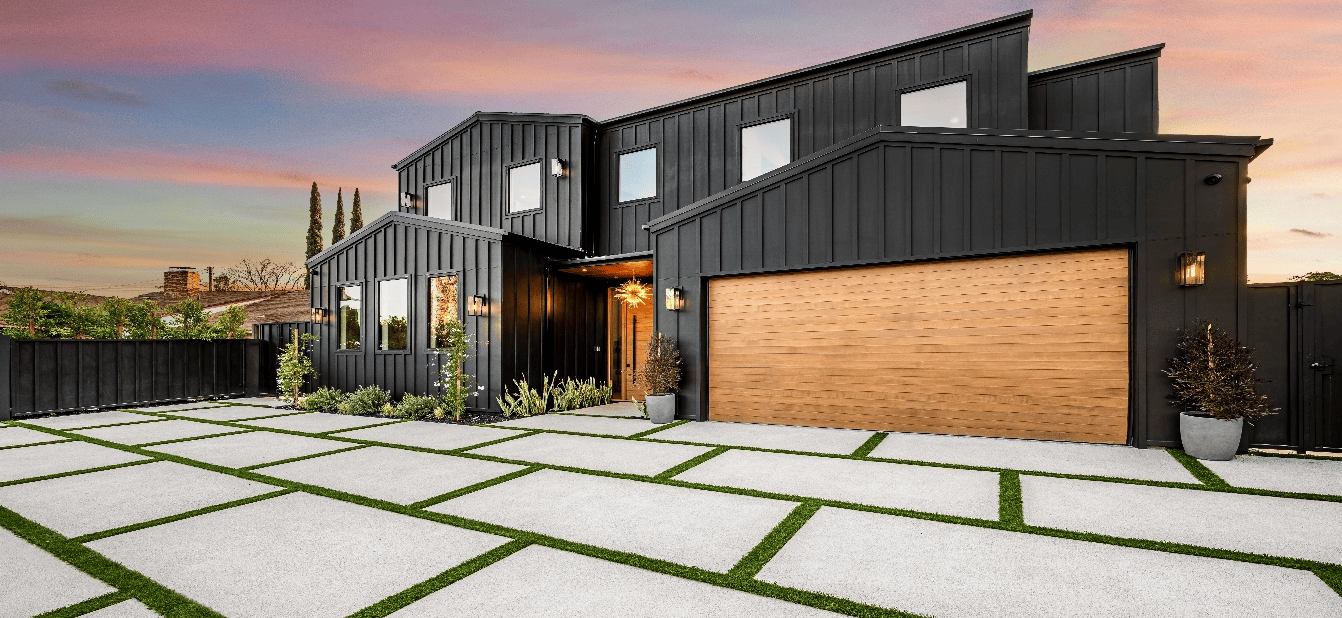
Your garage door is an essential part of your home, providing both convenience and security. However, like any mechanical system, it is prone to wear and tear over time. Ignoring signs that your garage door needs repair can lead to costly damages and safety issues. Recognizing these signs early on and addressing them promptly will ensure that your garage door continues to operate efficiently and safely. In this blog, we’ll walk you through the most common signs that your garage door needs repair, so you don’t wait until it’s too late.
1. Strange Noises When Operating the Door
One of the most noticeable signs that your garage door might need repair is unusual noises, such as grinding, squeaking, or rattling sounds when the door opens or closes. Words like grinding, squeaking, and rattling are commonly used to describe the types of noises that signal repair needs. While a little noise is normal, loud or persistent noises can indicate issues with the door’s springs, rollers, or other components.
**What the Noise Could Mean and How to Fix It:**
- Grinding: Worn-out rollers or a lack of lubrication could be causing friction.
- Squeaking: The door’s hinges or springs might need lubrication.
- Rattling: Loose hardware, such as bolts or nuts, may be affecting the operation.
If you notice strange sounds, it’s important to have the door inspected to avoid further damage and ensure smooth operation by scheduling expert garage door repair services in St. George.
2. The Door Won’t Open or Close Properly
If your garage door is slow to respond or refuses to open or close fully, it may be a sign that something is wrong. There are dozens of potential reasons why a garage door might not open or close properly, ranging from mechanical issues to electrical malfunctions. A garage door that gets stuck midway or only opens a few inches can be frustrating and inconvenient.
Common Causes of Malfunctions:
- Broken springs or cables: These are responsible for helping the door move up and down. When they break, the door won’t function properly.
- Misaligned tracks: If the tracks are bent or misaligned, the door may not open or close correctly.
- Faulty sensors: If the photo-eye sensors are dirty or misaligned, the door might not close all the way, as it detects an obstruction.
When your garage door stops working, it’s essential to address the problem quickly before the issue worsens.
3. The Door Opens Unevenly
If your garage door opens unevenly or lopsided, it could be a sign of an issue with the springs or cables. A door that doesn’t open or close symmetrically can put unnecessary stress on the components, leading to more significant problems down the line.
Possible Causes for Uneven Movement:
- Broken or worn-out springs: Springs that are stretched out or damaged can cause uneven lifting.
- Uneven tension in the cables: If one cable is tighter than the other, the door may not open evenly.
An uneven garage door should be repaired as soon as possible to prevent further damage and avoid safety hazards.
4. The Door Reverses Direction
Another sign that your garage door needs repair is when it opens but then automatically reverses direction and begins closing again. Just like regulatory authorities use enforcement discretion to allow flexibility in critical situations, your garage door’s safety system exercises its own form of discretion by reversing direction when it detects a potential problem. This safety feature is important, but if it’s triggered when there is no obstruction, it’s a sign that the door’s sensors or other mechanisms are malfunctioning.
Potential Causes:
- Dirty or misaligned sensors: The sensors that detect obstructions may be blocked or misaligned, causing the door to reverse.
- Broken springs or cables: If the springs or cables are not functioning properly, the door may struggle to close and reverse direction as a result.
- Track misalignment: A misaligned track can prevent the door from closing correctly, triggering the reversal.
A garage door that reverses should be repaired quickly to avoid safety risks and prevent damage to the door or other parts.
5. The Door Is Slow to Respond
If your garage door is opening or closing slowly, it might indicate that there’s a problem with the opener, motor, or other mechanical components. A door that moves sluggishly can be a sign of a lack of lubrication, worn-out parts, or electrical malfunctions.
What Could Be Causing Slow Movement:
- Lack of lubrication: The moving parts of the door, such as rollers and hinges, may need lubrication.
- Worn-out opener motor: The motor may be struggling to lift the door, especially if it’s an older model.
- Track obstruction: Dirt, debris, or rust in the tracks can slow down the door’s movement.
Slow-moving doors should not be ignored, as this could indicate that critical components are starting to fail.
6. The Door Won’t Stay Open
If your garage door starts to close immediately after being opened, or if it falls without warning, this can be a serious safety issue. A door that won’t stay open could indicate a problem with the springs, cables, or the opener system.
Potential Causes:
- Broken springs or cables: The springs are responsible for supporting the weight of the door, and when they fail, the door may fall unexpectedly.
- Faulty opener motor: A malfunctioning opener may fail to properly lift the door, causing it to fall.
- Unbalanced door: An unbalanced door puts excess strain on the opener, making it harder for it to stay open.
This issue is especially dangerous and should be addressed by a professional immediately to prevent accidents.
7. Visible Wear and Tear
While minor cosmetic wear may not immediately affect the functionality of your garage door, significant damage, such as cracks, dents, or rust, can compromise the door’s structural integrity. Damage to the exterior shell of the garage door can further compromise its integrity and should not be ignored. Sometimes, a quick patch can temporarily cover a hole or crack, but professional repair is recommended for lasting results. In cases where destroyed parts are present, professional repair or replacement is necessary. Over time, this can weaken the door and lead to mechanical failures.
Signs of Visible Wear and Tear:
- Cracks or dents in the door: These can weaken the structure and lead to further damage.
- Rusting metal components: Rust can cause the tracks and other parts to become brittle and difficult to operate.
- Worn-out weather stripping: Damaged weather stripping can result in drafts, temperature fluctuations, and water seepage into your garage.
If your garage door shows significant wear, it’s time to call in a professional to assess the damage and determine if repairs or a replacement are needed, especially for businesses that rely on trouble-free operation and must avoid common commercial garage door issues.
8. The Garage Door Opener Is Not Responding
If your garage door opener fails to respond to the remote or wall control, the problem might be with the opener system, not the door itself. Sometimes, this issue is as simple as replacing the batteries in your remote, but other times it can indicate a deeper electrical issue.
Common Causes for Opener Malfunctions:
- Dead remote batteries: Replace the batteries in the remote or keypad to see if that resolves the issue.
- Misaligned sensors: The safety sensors might be misaligned or blocked, preventing the door from operating.
- Power supply issues: If the opener isn’t receiving power, check the electrical connection or reset the circuit breaker.
If troubleshooting doesn’t fix the problem, professional repair may be required.
How Mehr’s Garage Doors Can Help
If you’ve noticed any of the signs mentioned above, don’t wait until it’s too late! At Mehr’s Garage Doors, we specialize in diagnosing and repairing garage doors of all makes and models. Our team of experts can quickly identify the problem, provide a solution, and restore your garage door to its optimal performance. With our professional repair services, you can trust that your garage door will be safe, secure, and functioning smoothly once again.
Your garage door is an important part of your home’s security and convenience. Recognizing the signs that your garage door needs repair early on can save you time, money, and potential safety hazards. If you notice any of these issues, don’t wait until it’s too late! Reach out to Mehr’s Garage Doors for reliable, professional garage door repair services.
FAQs (Frequently Asked Questions)
Q1: How long does a garage door typically last?
A1: A well-maintained garage door can last anywhere from 15 to 30 years, depending on the material, usage, and maintenance.
Q2: How often should I have my garage door inspected?
A2: It’s recommended to have your garage door inspected at least once a year to ensure it’s in good working condition.
Q3: Can I repair my garage door myself?
A3: While some minor maintenance tasks, like lubricating the tracks or changing remote batteries, can be done yourself, garage door repairs involving springs, cables, or motors should always be handled by a professional to avoid injury.
Q4: How much does garage door repair cost?
A4: The cost of garage door repair depends on the type of repair needed. Minor fixes like replacing rollers may cost less, while more complex repairs, such as spring or cable replacement, can be more expensive. Contact a professional for an accurate estimate.
Q5: How do I know if my garage door needs to be replaced instead of repaired?
A5: If your garage door is severely damaged, outdated, or requires frequent repairs, it may be time to replace it. A professional inspection can help determine whether replacement is necessary.
A1: A well-maintained garage door can last anywhere from 15 to 30 years, depending on the material, usage, and maintenance.
A2: It’s recommended to have your garage door inspected at least once a year to ensure it’s in good working condition.
A3: While some minor maintenance tasks, like lubricating the tracks or changing remote batteries, can be done yourself, garage door repairs involving springs, cables, or motors should always be handled by a professional to avoid injury.
A4: The cost of garage door repair depends on the type of repair needed. Minor fixes like replacing rollers may cost less, while more complex repairs, such as spring or cable replacement, can be more expensive. Contact a professional for an accurate estimate.
A5: If your garage door is severely damaged, outdated, or requires frequent repairs, it may be time to replace it. A professional inspection can help determine whether replacement is necessary.