

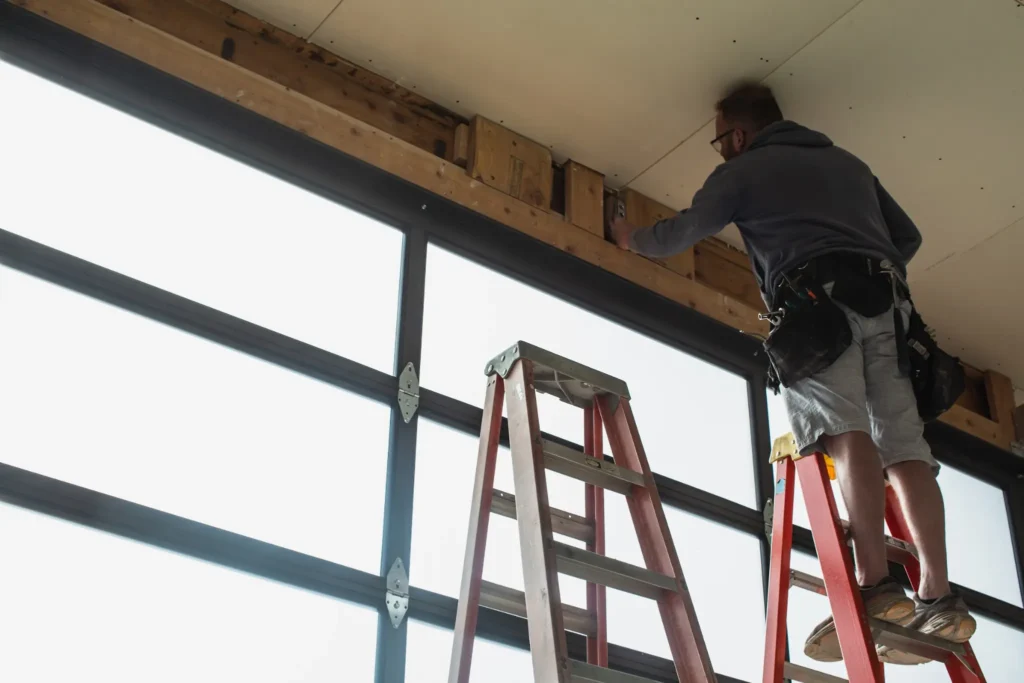
Why Garage Door Maintenance in St. George is Important
Your garage door is often the largest moving component on your property—essential for home security, convenience, energy savings, and even curb appeal. In St. George and all across Southern Utah, doors endure extreme heat, abrasive dust storms, wind-driven sand, UV exposure, and cold snaps. Neglecting routine maintenance can lead to:
- Sudden breakdowns, leaving your home exposed or vehicles stranded
- Higher energy bills due to insulation failure or worn weatherstripping
- Costly emergency repairs that could have been prevented
- Safety risks for children, pets, and vehicles
Consistent care is crucial for a trouble-free, long-lasting garage door system. If you’re searching for reliable garage door maintenance in St. George, here’s what you need to know to keep your door running smoothly.
For a clear, step-by-step maintenance process, check out this garage door tune-up guide from Family Handyman.
Seasonal Maintenance Checklist
A proactive approach ensures year-round reliability. Save or print this chart for your garage:
| Maintenance Task | Spring | Summer | Fall | Winter |
| Lubricate rollers, hinges, and springs | ✔ | ✔ | ✔ | ✔ |
| Clean and inspect tracks/rollers | ✔ | ✔ | ✔ | |
| Wash door panels, inspect paint and insulation | ✔ | ✔ | ||
| Tighten hardware/bolts | ✔ | ✔ | ||
| Replace weatherstripping if worn | ✔ | ✔ | ✔ | ✔ |
| Clean sensors, test auto-reverse | ✔ | ✔ | ||
| Check cables/springs for wear/rust | ✔ | ✔ | ✔ | |
| Inspect for rust/corrosion, touch up paint | ✔ | ✔ | ✔ | ✔ |
| Remove debris around door and photo-eye | ✔ | ✔ | ✔ | ✔ |
| Confirm door balance/manual operation | ✔ | ✔ | ||
| Clear out ice/water in tracks | ✔ |
Lubricating Moving Parts
Why it matters:
St. George’s arid climate leads to the fast evaporation of lubricants. Dry rollers and hinges create noise, wear, and risk of complete part failure.
What to use:
- Silicone-based garage door spray is best. Brands like 3-IN-ONE Professional Garage Door Lube or Blaster Garage Door Lube are industry favorites.
- Avoid: WD-40 (a solvent, not a lubricant), standard greases (attract dust and can gum up tracks).
How to apply:
- Clean the part with a dry cloth, removing debris.
- Spray hinges at the pivot and rollers at the bearings (avoid plastic/nylon wheels).
- Lubricate springs with a light, even coat.
- Wipe away any excess to avoid build-up that attracts sand/dust.
Pro tip: If your door squeaks or grinds after lubrication, that’s a sign the part may need professional attention.
Checking Door Balance and Alignment
Why balance matters:
A balanced door reduces stress on your opener and keeps the door from slamming shut or drifting upward.
How to check:
- Release the opener using the manual pull.
- Lift the door halfway and let go.
- If it stays in place, the balance is correct.
- If it drops or rockets up, spring tension needs adjusting.
Symptoms of poor alignment:
- Door moves unevenly or shakes
- Scraping noises or visible gaps along the edges
- Opener makes excessive noise or seems to struggle
If you notice any of the above, contact a professional for adjustment—incorrect DIY fixes can injure or damage the system.
Inspecting Springs and Cables
Safety warning:
Springs and lift cables are under hundreds of pounds of tension. Attempting repairs yourself is dangerous.
What to inspect (visually):
- Cables: Check for fraying, rust, or loosening at the drum.
- Springs: Look for gaps, rust, or loss of coil tension.
- Sounds: Unusual popping, creaking, or groaning.

When to call a pro:
- Any visual damage or gaps
- Door suddenly becomes very heavy or won’t open
- Loud snapping noise or inability to move the door
Call our Garage Door Repair team for safe, quick service.
When to Replace Weatherstripping
Garage door weatherstripping creates a critical seal against dust, insects, and water, especially in St. George’s windy and stormy months.
Replace weatherstripping if:
- It’s brittle, cracked, flattened, or peeling
- You see daylight or feel a draft along the sides or bottom
- You notice more dust, sand, or insects in your garage
How to replace:
- Remove old seal (often just slides out or is screwed in)
- Clean the groove
- Press or screw in new, flexible seal—trim to fit at corners
Pro tip: For the best energy efficiency, replace weatherstripping at the first sign of wear. Proper seals can significantly cut AC/heating costs for attached garages.
Preventing Rust and Corrosion
Iron, steel, and even some aluminum doors are vulnerable to rust—especially after wind storms or if you have sprinklers/hose water hitting the door.
Prevention:
- Clean metal surfaces with a gentle soap, rinse, and dry
- Apply car wax (or a manufacturer-recommended sealant) at least twice per year
- Check and touch up scratches or chips with color-matched paint
- Keep rollers and hinges dry and lubricated
For rust you spot early, use sandpaper or a wire brush to remove, then prime and repaint.
Southern Utah climate tip: After a wind storm, rinse dust from door panels to prevent abrasive sand from damaging finishes.
Maintenance for Insulated Garage Doors
Insulated doors are popular in the Southwest for keeping garages cooler in summer (and warmer in winter).
Extra tips:
- Check interior insulation panels for separation or dents
- Inspect seals around windows and the bottom for leaks
- Clean only with soft rags and mild soap—no solvents or abrasives
- If insulation appears wet or moldy, contact a professional (can signal hidden leaks)
Well-maintained insulation keeps your garage more usable, lowers energy bills, and adds value to your home.
Common Mistakes Homeowners Make
- Using WD-40 instead of proper lubricant (causes more dust, not less)
- Ignoring squeaks, slow opening, or one-off “jerks” (early warning signs of part failure)
- Delaying weatherstripping replacement (sudden water or pest intrusion)
- Attempting spring/cable repairs without training
- Not resetting openers or sensors after a power outage or surge
Avoid these for safer, longer-lasting operation!
DIY vs. Professional Maintenance
DIY Tasks:
- Cleaning surfaces and tracks
- Visual inspection for damage/wear
- Lubrication (exclude springs/cables if unsure)
- Replacing weatherstripping
- Testing auto-reverse and manual safety release
Tasks for a Pro:
- Adjusting or replacing springs/cables
- Diagnosing opener issues (motor, wiring, sensors)
- Balancing/tensioning the main spring
- Alignment/track adjustments
For expert insights on door hardware safety, visit iDigHardware.
A trained technician conducts deep safety/integrity checks and can spot or prevent expensive breakdowns before they happen. If you own a rental, duplex, or multifamily home, regular pro maintenance reduces risk and liability.
Browse our Residential Garage Door Maintenance options.
Signs Your Garage Door Needs Immediate Service
- Loud grinding, grinding, or popping noises
- Door won’t open/close fully or suddenly reverses
- Remote/auto opener fails intermittently
- Door feels stuck or “off track”
- Frayed cables, bent tracks, or visible rust on springs
Never force a stuck door—call for urgent repair before a small problem becomes a hazardous one.
Frequently Asked Questions (FAQs)
1. How often should I service or lubricate my garage door in St. George’s climate?
Lubricate all moving parts every six months (spring & fall). During high dust, sand, or heat periods, check monthly for dryness or buildup.
2. What’s the best lubricant for garage doors in Southern Utah?
Opt for a silicone-based garage door spray. Avoid WD-40 and cheap greases—they attract more dust and can clog bearings.
3. Is it safe to adjust garage door springs and cables myself?
No! These parts are under high tension. DIY repairs can cause severe injury or property damage. Always call a certified technician.
Get help: Garage Door Repair
4. When should I replace my garage door weatherstripping?
As soon as it becomes cracked, brittle, flattened, or you notice drafts, water, or daylight getting in.
5. What signs mean my door may be out of balance?
The door drops or shoots up when manually lifted, or opens noisily and unevenly. Schedule a professional adjustment before more damage occurs.
6. Do insulated garage doors need different maintenance?
Mostly the same, but check insulation panels for moisture and keep edge seals tight.
7. Do you offer annual maintenance plans for St. George landlords or HOAs?
Yes! We partner with property managers for seasonal or annual inspections and repairs.
See details: Residential Garage Door Maintenance
8. When should I consider replacing my garage door?
If you have frequent breakdowns, visible warping, excessive rust, safety failures, or need energy savings, talk to our team about modern replacement options.
Want more expert advice? Explore these garage door maintenance tips from Home Depot to keep your door in top shape year-round.
Conclusion
Consistent garage door maintenance is the simplest, most effective way to protect your home, extend your investment’s life, and keep your family safe—especially in St. George’s hot, dry, and windy climate.
Whether you want a quick annual checkup, need fast repairs, or want to upgrade to a modern insulated door, Mehr’s Garage Doors has St. George covered with friendly local service and expert advice.
Ready for a thorough inspection or fast, same-day repair?
Contact Mehr’s Garage Doors for prompt, professional service throughout Southern Utah.