

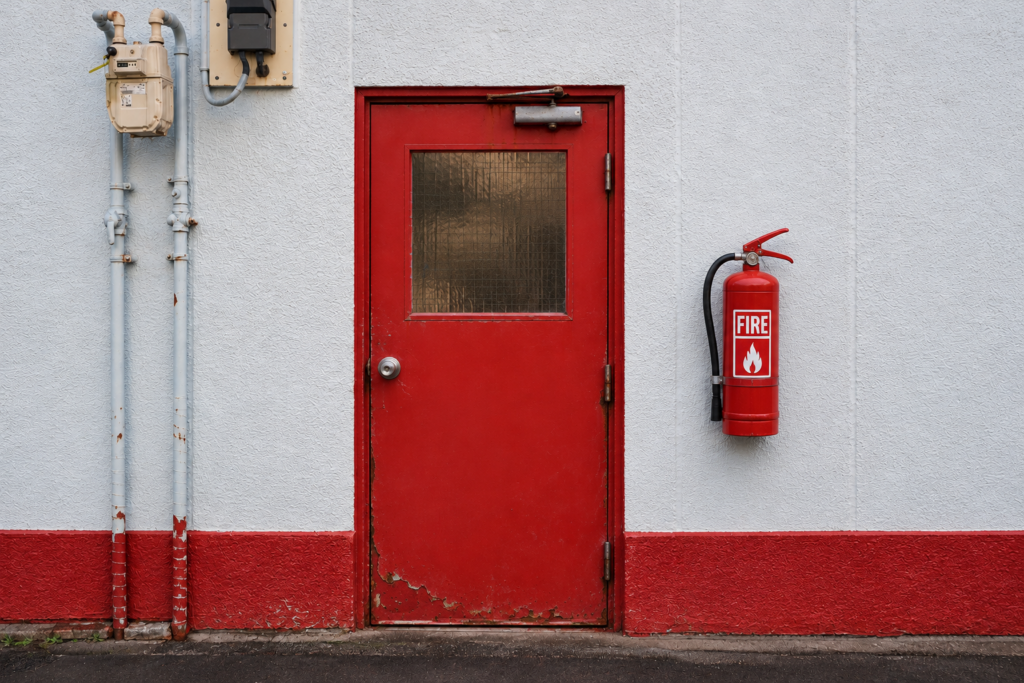
Walk into almost any commercial building, and you’ll see fire Safety Doors doing exactly what they’re supposed to do: nothing noticeable. They open, they close, and people walk through them without giving them much thought. That is probably why they are so often overlooked. Ensuring that these fire safety doors are functioning properly is crucial for maintaining safety standards.
I remember talking with a warehouse manager who had recently invested thousands of dollars in security cameras, LED lighting, and a new loading dock. During our walkthrough, one of the fire doors scraped against the floor and refused to latch properly. He laughed and said, “That door has been doing that for months. We just haven’t gotten around to fixing it.”
It wasn’t carelessness. It was simply one of those maintenance issues that had slowly become part of the daily routine.
The problem is that fire-rated doors, which include fire safety doors, are different from ordinary doors. They are designed to slow the spread of fire and smoke, helping protect people and property during an emergency. If they are damaged or not working correctly, they may not perform the way they were designed when every second matters.
According to the National Fire Protection Association (NFPA), annual inspections are recommended because problems such as damaged hardware, missing seals, and doors that fail to latch are commonly found during commercial building inspections. Most of these issues can be corrected before they become serious, but only if someone notices them.
Regular maintenance and inspection of fire safety doors are essential to ensure they function effectively.
Below are some of the most common signs that your fire safety doors should be inspected by a qualified professional.
The Door Does Not Close or Latch Properly
One of the easiest warning signs to recognize is a door that stays partially open after someone walks through it.
A properly functioning fire-rated door should close completely and latch without anyone having to push or pull it. If employees routinely give the door an extra shove, it is worth investigating.
The cause could be worn hinges, a damaged closer, frame movement, or simple wear from years of daily use. Whatever the reason, a door that does not latch correctly cannot provide the level of protection it was designed for.
Employees Keep Complaining About the Same Door
Maintenance teams often hear small complaints that seem unimportant at first.
“The door sticks.”
“It slams shut.”
“It feels heavier than it used to.”
Those comments should not be ignored.
The people using the building every day are often the first to notice changes. If several employees mention the same issue, it usually means the problem has been developing for some time. Addressing it early is almost always easier than waiting until the door fails.
Visible Damage Is Becoming More Noticeable
Commercial buildings are busy places. Forklifts, delivery carts, pallet jacks, and heavy equipment all create opportunities for accidental impacts.
Take a close look at the condition of your fire doors. Dents, bent frames, loose hinges, rust, cracked panels, or damaged hardware may seem cosmetic, but they can affect how the entire assembly performs.
Small problems have a habit of becoming expensive ones when they are ignored.
Smoke Seals Are Worn or Missing
Many building owners never notice the smoke seals around the edges of a fire door until someone points them out.
These seals help slow the movement of smoke through the opening, giving occupants more time to leave the building safely.
If you notice cracked material, peeling sections, missing strips, or visible gaps, it is time to schedule an inspection. Replacing worn seals is usually much less expensive than replacing an entire door assembly.
Strange Noises Should Never Be Ignored
Doors rarely become noisy without a reason.
Grinding hinges, squeaking closers, scraping sounds, or popping noises often indicate that components are wearing out or becoming misaligned.
Some people solve the problem with a little lubricant and move on. While that may reduce the noise for a while, it does not always address the underlying issue.
Think of unusual sounds as an early warning rather than a minor annoyance.
The Door Has Been Modified Over the Years
Commercial properties rarely stay the same forever.
Security systems are upgraded. Access control devices are installed. Renovations take place. Electrical wiring changes. Sometimes those projects involve modifying an existing fire-rated door.
Extra holes, replacement hardware, painted-over certification labels, or unauthorized alterations can affect the door’s fire rating. If you are unsure whether previous modifications meet current standards, a professional inspection is a smart investment.
Inspection Records Are Difficult to Find
Ask yourself one question.
When was the last documented inspection of your fire doors?
If the answer is uncertain, your building may already be overdue.
Inspection records are valuable because they help identify recurring issues, demonstrate compliance, and provide confidence that each door has been evaluated properly. They also make future maintenance planning much easier.
Why Professional Service Is Worth It
A fire-rated door is more than a slab of steel with hinges.
Every component, including the frame, hinges, latch, closer, glazing, and smoke seals, is designed to work together as one certified system. Replacing a single part with the wrong component can affect the door’s performance.
Professionally trained technicians know what to inspect, which replacement parts meet the manufacturer’s requirements, and how to identify problems that may not be obvious during a quick visual check.
Businesses looking for Commercial Garage Doors Service in St George often work with experienced commercial door specialists who also inspect and maintain other important door systems throughout their facilities, helping improve safety and reliability.
Final Thoughts
Building maintenance is full of competing priorities, so, understandably, a fire door may not always be at the top of the list. However, these doors have one job, and they need to perform it without hesitation if an emergency ever occurs.
Taking the time to inspect them today can help prevent expensive repairs tomorrow while also protecting employees, customers, and valuable property.
Whether you manage an office, warehouse, retail store, school, healthcare facility, or industrial building, Fire Safety Doors deserve regular attention. The safest buildings are usually not the newest ones. They are the ones where small problems are identified early, repaired correctly, and never given the chance to become major risks.
Frequently Asked Questions
1. How often should fire-rated doors be inspected?
A visual check should be part of your regular building maintenance, but a professional inspection is typically recommended at least once a year. If your building sees heavy daily traffic, more frequent inspections can help identify wear before it turns into a larger safety issue.
2. Can a fire-rated door still be safe if it has a small dent or scrape?
Not always. While some minor surface marks may only affect appearance, deeper dents, damaged frames, or loose hardware can interfere with how the door closes and seals during a fire. If you’re unsure whether the damage is cosmetic or structural, it’s worth having the door inspected.
3. Why won’t my fire-rated door close all the way?
This usually points to an underlying problem rather than normal wear. Misaligned hinges, a faulty door closer, damaged hardware, or changes in the building structure can all prevent the door from closing and latching properly. A professional inspection can identify the exact cause.
4. Is it okay to replace parts on a fire-rated door myself?
Simple cleaning and routine maintenance are generally fine, but replacing hardware without using approved components can affect the door’s fire rating. Because every part is designed to work together as a tested system, repairs are best handled by someone familiar with fire-rated door assemblies.
5. What is the biggest mistake building owners make with fire-rated doors?
The most common mistake is waiting until the door stops working completely before taking action. Small issues such as sticking, unusual noises, or damaged seals often develop gradually. Fixing these problems early is usually less expensive and helps ensure the door is ready to perform if an emergency ever occurs