

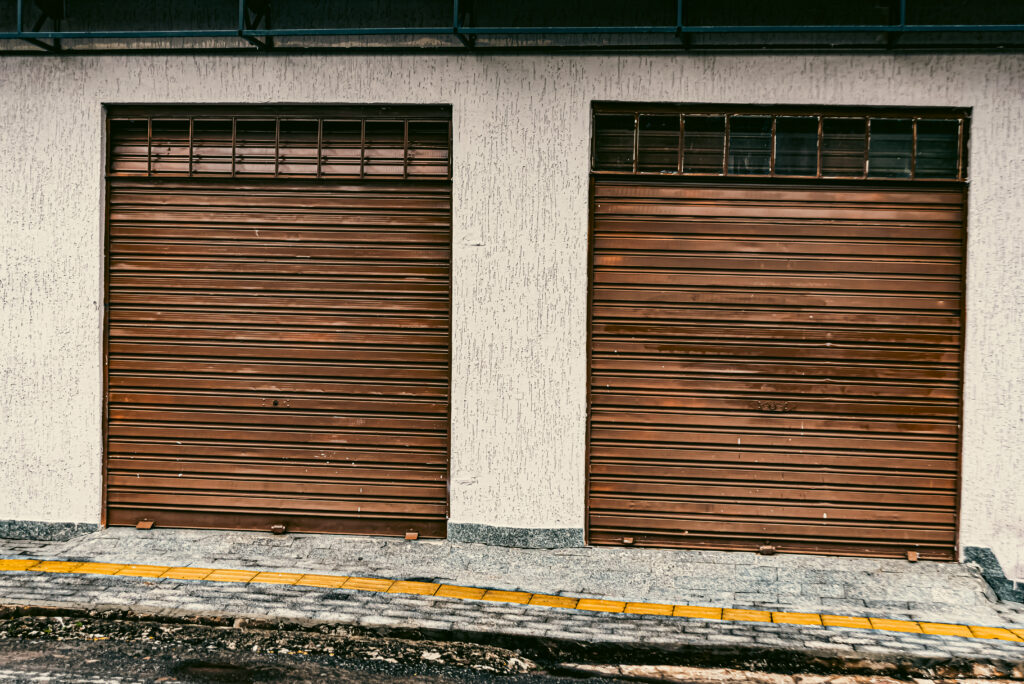
A few years ago, a local warehouse owner kept delaying the replacement of his garage door.
Every few weeks, something went wrong with it.
One day, it would stop halfway while opening. Another day, employees had to push the bottom panel slightly just to get it moving. The repair technician came so often that the staff actually knew him by name.
Still, the owner kept saying the same thing:
“Let’s just repair it one more time.”
Then came a rainy Monday morning.
A delivery truck was waiting outside. Employees were standing around, frustrated. The garage door refused to open completely, and operations got delayed for almost three hours.
That was the moment he finally realized the problem was no longer “small.”
Honestly, this happens more often than people think.
Commercial garage doors usually do not fail all at once. Most of the time, they slowly wear down while businesses keep adjusting around the issue until it becomes impossible to ignore.
Most Garage Door Problems Start Quietly
In the beginning, the signs are easy to overlook.
Maybe the door sounds a little louder than before.
Maybe it shakes slightly while closing.
Sometimes the opener responds slowly, but only once in a while.
Because the door still technically works, many businesses continue using it without thinking much about the long-term problem.
That is understandable. Business owners already deal with enough daily responsibilities. A garage door usually stays low on the priority list until it starts interrupting work.
Employees Usually Notice the Changes First
Interestingly, staff members often spot the warning signs before management does.
Someone from shipping mentions the door keeps sticking near the bottom.
A forklift driver says the tracks look uneven.
Another employee jokes that the garage door “sounds angry every morning.”
Small comments like these matter because people working around the system daily notice gradual changes over time.
And honestly, when employees start avoiding a particular door because it feels unreliable, that is already a warning sign.
Constant Repairs Start Becoming Frustrating
There is a difference between maintenance and constantly fixing the same problem.
Commercial systems naturally need servicing from time to time. That part is normal.
But when repair calls become frequent, businesses often end up trapped in an expensive cycle.
First, the rollers get replaced.
Then cables.
Then springs.
A few months later, the opener starts acting up.
After a while, it feels like the garage door always needs something.
Many owners continue paying for repairs because replacing the full system sounds expensive upfront. But over time, those repeated service bills quietly pile up anyway.
The Noise Gets Worse
Commercial garage doors are not silent. Nobody expects them to be.
But there is a noticeable difference between normal operational sound and the kind of noise that makes everyone in the building stop for a second.
Grinding metal.
Loud rattling.
Banging while closing.
Shaking during movement.
Older Commercial Garage Doors often become noisy because years of daily use slowly wear down the moving parts.
And the strange thing is, people working there every day slowly get used to the noise. Visitors usually notice it immediately.
Rising Energy Costs Can Sometimes Lead Back to the Garage Door
This surprises many business owners.
Older doors often lose insulation without anyone realizing it. Small gaps around the edges allow outside air to move in constantly throughout the day.
In summer, hot air enters the building.
In winter, heat escapes.
That forces heating and cooling systems to work harder than necessary.
Warehouses and commercial facilities with temperature-sensitive inventory usually feel this problem the most.
Sometimes replacing the garage door improves indoor comfort more than people expect.
The Property Starts Looking Worn Down
A damaged garage door changes how the entire building looks.
Rust near the bottom panels.
Faded paint.
Bent sections from years of forklift bumps.
Tracks that no longer line up properly.
Even if the business itself runs professionally, an old garage door can unintentionally make the property feel neglected from the outside.
And first impressions matter.
Customers, vendors, and clients notice exterior conditions before they ever step inside the building.
Emergency Repairs Usually Mean Bigger Problems Are Coming
Most businesses eventually experience that stressful moment where the garage door simply stops working during operating hours.
That is when people suddenly search for emergency garage door repair because operations cannot pause.
Deliveries still need to happen.
Employees still need access.
Vehicles still need to move.
Emergency repairs are useful during urgent situations, but repeated emergencies often mean the system is simply wearing out overall.
At some point, temporary fixes stop being practical.
Safety Concerns Become Harder to Ignore
Commercial garage doors are heavy equipment.
When springs weaken, tracks shift, or cables wear down, the system can become unpredictable very quickly.
That creates real safety risks for employees working nearby every day.
Older systems may also lack modern safety features found in newer doors.
Most business owners do not replace a garage door because they want something new. Usually, they replace it because reliability and safety start becoming serious concerns.
Sometimes Replacing the Door Actually Reduces Stress
One thing people rarely talk about is the mental frustration of dealing with an unreliable garage door.
Managers get tired of arranging repair appointments.
Employees get annoyed reporting the same issue repeatedly.
Drivers become frustrated during delays.
Eventually, everyone starts adjusting their routine around the broken system instead of solving the actual problem.
Reliable Garage Door Repair Services can inspect the door honestly and explain when replacement makes more financial sense than continuing repairs.
And honestly, many owners feel relieved once the old system is finally gone.
Final Thoughts
Commercial garage doors work hard every single day, and after years of heavy use, problems eventually catch up.
Usually, the warning signs appear slowly first. Strange noises. Slower movement. Repeated repairs. Rising energy costs. Employees are complaining more often.
The difficult part is that businesses become so used to dealing with the inconvenience that they sometimes forget how much smoother operations could actually feel with a reliable system.
Replacing an aging garage door is not only about appearance or equipment. It is about avoiding daily frustration, protecting employees, reducing unexpected downtime, and making normal workdays feel normal again.
Frequently Asked Questions (FAQ)
1. How do I know when it is time to replace a commercial garage door?
Some of the most common signs include repeated breakdowns, loud noises, slow movement, uneven operation, rising repair costs, and safety concerns. If your door constantly interrupts daily operations, replacement may be more cost-effective than continued repairs.
2. Is it better to repair or replace a commercial garage door?
Minor issues can usually be repaired, especially if the system is still relatively new. However, if repairs are becoming frequent and expensive, replacing the door often saves money and reduces downtime in the long run.
3. Why is my commercial garage door becoming noisy?
Grinding, rattling, or banging sounds often happen because parts like rollers, tracks, springs, or hinges wear down over time. Excessive noise is usually a warning sign that the system needs professional inspection.
4. Can an old garage door increase energy costs?
Yes. Older commercial garage doors may lose insulation or develop gaps that allow outside air inside the building. This forces heating and cooling systems to work harder, which can increase energy bills.
5. Are commercial garage doors dangerous when they get old?
They can become unsafe if springs weaken, cables fray, or tracks become misaligned. Since commercial doors are heavy, worn-out components can create serious safety risks for employees and vehicles nearby.
6. How long do commercial garage doors typically last?
The lifespan depends on usage, maintenance, and system quality. Many commercial garage doors last between 15–30 years, but heavy daily use can shorten that lifespan significantly.